Watermelon Vine: A Designer's Real-World Review
As a designer who has spent years navigating the delicate balance between digital files and physical thread, I approach every new machine embroidery design with a critical eye. The market is flooded with generic patterns, so finding a piece like Watermelon Vine that actually translates well to fabric is a genuine relief. When I first loaded this file into my digitizing software, I wasn't just looking for a cute summer motif; I was evaluating its structural integrity, stitch flow, and potential as a revenue-generating asset for my small shop. This isn't just about how it looks on a screen; it is about how it behaves under the needle.
The First Impression: Mood and Composition
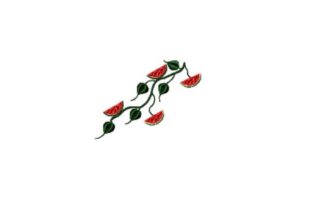
Visually, Watermelon Vine strikes an immediate chord of nostalgia and freshness. The composition avoids the cluttered look that plagues many floral or fruit-themed designs. Instead, it offers a balanced layout where the leaves and vines guide the eye naturally toward the central watermelon slice. For an embroidery project, this flow is crucial. It suggests a design that will sit comfortably on curved surfaces without distorting, which is often a nightmare for less experienced crafters. The visual personality is playful yet refined enough to elevate a simple garment into a boutique-worthy item. It feels less like a novelty patch and more like a cohesive brand element for a summer collection.
Testing the Design in Real Scenarios
To truly understand the value of this embroidery file, I imagined applying it to a few specific products I frequently create for clients. First, I visualized it on a canvas tote bag. The organic shape of the vine would wrap beautifully around the handle attachment point or sit proudly on the front panel. Because the design relies heavily on fill stitch for the green leaves and red fruit, it creates a substantial texture that adds weight and perceived value to the tote bag design. Customers love tactile details, and this design delivers exactly that.
Next, I considered sweatshirt embroidery. Placing Watermelon Vine on the left chest of a heavyweight cotton sweatshirt would offer a perfect pop of color against a neutral background. The scale of the design seems versatile enough to work as a small accent or scaled up for a back print, provided the stitch density holds up. For baby embroidery, the soft curves and lack of sharp, scratchy edges make it an excellent choice for onesies or burp cloths, assuming the thread colors are chosen carefully to remain gentle on sensitive skin.
I also saw strong potential for holiday embroidery gifts. Imagine a kitchen towel set featuring this vine design; it instantly transforms a utilitarian item into a personalized gift that screams "summer hosting." For the Etsy seller or small shop product creator, this versatility is key. One digital purchase can result in multiple distinct finished products, from embroidered patches to custom apparel, maximizing the return on investment for your design assets.
Navigating Fabric Challenges and Limitations
While Watermelon Vine is robust, no design is universally flawless without proper technique. As a professional reviewer, I must highlight where caution is required. If you plan to use this on stretchy fabric like jersey knit, the stitch density needs careful management. Too much fill stitch in the watermelon rind could cause puckering, ruining the drape of the garment. Always test on scrap fabric first to ensure the tension is correct.
Texture is another factor. On highly textured fabrics like heavy linen or boucle, the fine details of the vine tendrils might get lost. In these cases, consider simplifying the design or using a thicker thread to maintain visibility. For dark fabric, the contrast becomes critical. The light greens and pinks typical of a watermelon theme need to be bright enough to stand out, or you may need to add a backing layer of white thread colors underneath to prevent the dark material from showing through the stitches.
Curved surfaces like caps present their own challenge. While the vine shape is organic, placing it across the dome of a hat requires precise alignment. If the hoop size is too large for the cap's curvature, the fabric will shift during stitching, leading to misaligned elements. Always check whether the design works for both personal and commercial projects by testing it on the actual substrate before committing to a full production run.
Impact on Brand Value and Customer Trust
In the world of handmade goods, presentation is everything. A high-quality machine embroidery design like Watermelon Vine directly impacts customer trust. When a client receives a finished product with crisp, clean lines and vibrant colors, they perceive higher value. Conversely, sloppy stitching or poor design choices can damage a craft business' reputation instantly. This design, when executed correctly, signals professionalism. It shows that you care about the details, from the placement of the vine to the selection of the stabilizer.
For digital product sellers offering printable mockups, the clarity of this design ensures that your previews accurately represent the final outcome. Buyers are more likely to engage when they can clearly see the quality of the embroidery project in the listing photos. Furthermore, consistency in design quality helps build a recognizable brand identity. If your shop is known for fresh, nature-inspired themes, Watermelon Vine fits seamlessly into that narrative, reinforcing your aesthetic across all your merchandise.
Practical Notes for the Professional Maker
Before integrating this into your workflow, follow these practical steps to ensure success. First, always review the hoop size requirements. Even if the description says it looks great on any fabric, the physical constraints of your machine matter. Second, inspect the small details in the running stitch areas. These are often the first to break if the stabilizer is insufficient. Use a tear-away stabilizer for stable fabrics and a cut-away for stretchy items to support the weight of the fill stitch.
Test the design in black and white mockups to evaluate the contrast before spending thread on color trials. Compare how the design sits on light versus dark backgrounds to determine if you need to adjust the thread colors for optimal visibility. Finally, confirm licensing terms. While the product description states it is an original quality embroidery, always verify if you are allowed to sell the finished product or if there are restrictions on selling the digital embroidery file itself. Understanding these boundaries protects your business and ensures you stay compliant while creating beautiful, profitable items.
Ultimately, Watermelon Vine is more than just a pattern; it is a tool for creativity. With the right preparation and attention to detail, it can become a staple in your Sewing and Embroidery repertoire, delivering consistent, high-quality results that delight customers and grow your brand.