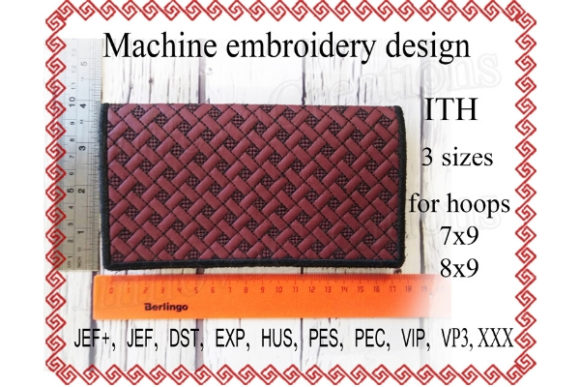
Cover in the Hoop: A Designer's Business Review
As a professional embroidery designer who has spent years refining brand identity for small businesses, I approach every new digital asset with a critical eye. When evaluating a new machine embroidery design like Cover in the Hoop, my focus shifts immediately from personal craft to commercial viability. For boutique owners, Etsy sellers, and apparel decorators, the difference between a hobby project and a profitable product line often lies in the quality of the underlying file. Today, I am reviewing Cover in the Hoop to determine if it stands up to the rigors of production runs for branded merchandise, patches, and uniforms.
First Impressions: Professionalism Meets Versatility
The moment I loaded the Cover in the Hoop file into my digitizing software, the intent became clear. This is not merely a decorative flourish; it is a structured machine embroidery design built with stability in mind. The title suggests a functional purpose—perhaps covering seams, mending areas, or acting as a foundational element for a larger logo. In the world of small business merch, designs that serve a dual purpose of aesthetics and utility are gold. The initial visual scan reveals clean lines and balanced spacing, which are critical when scaling a design for different applications. It feels robust enough for custom apparel yet flexible enough to adapt to various brand personalities, whether you run a rustic bakery or a modern creative studio.
For handmade brands, the perception of quality is everything. A design that looks rushed or poorly stitched can undermine customer trust instantly. Cover in the Hoop appears to offer the premium look necessary to elevate a simple tote bag or apron into a high-value item. The structure suggests it will hold its shape well after repeated washing, a non-negotiable factor for staff uniforms and durable goods.
Real-World Application for Small Businesses
When we move from the screen to the sewing table, the true test begins. How does Cover in the Hoop perform across different mediums? Here is how I envision this design integrating into a diverse product catalog:
- Embroidered Patches: This design is an excellent candidate for creating standalone embroidered patch assets. Whether for a streetwear brand or a local club, the ability to stitch this onto a backing and then sew it onto denim jackets or backpacks adds a tactile, handmade feel that printed transfers cannot match.
- Staff Uniforms and Aprons: For cafés and boutiques, apron embroidery is a cost-effective way to build team cohesion. Placing Cover in the Hoop on the chest pocket or bib area provides a subtle branding touch without overwhelming the wearer. It signals professionalism to customers while keeping costs manageable compared to custom woven labels.
- Cap Embroidery: Caps are a staple of promotional merch. The structural integrity of this design makes it suitable for curved surfaces, provided the hoop size is managed correctly. It works well as a front-center logo or a side-sleeve accent on baseball caps.
- Tote Bag Design: Canvas totes require designs that can withstand the stress of carrying heavy loads. Cover in the Hoop offers the density needed to prevent fabric distortion, making it ideal for eco-friendly shopping bags or event giveaways.
- Product Packaging Accents: Beyond clothing, this design can be applied to fabric gift wraps, dust bags, or even as a label attachment for soaps and candles, adding a layer of luxury to the unboxing experience.
In the realm of commercial embroidery, versatility is key. The fact that this digital embroidery file comes in multiple formats ensures compatibility with most major embroidery machines, streamlining the workflow for decorators who may use mixed fleets of equipment.
Strategic Considerations and Limitations
While Cover in the Hoop shows great promise, experienced designers know that no file is universally perfect without testing. There are specific scenarios where caution is required to ensure the finished product meets your standards.
Size and Density Challenges
If you intend to use this design for very small patches or tiny lettering accents, you must review the stitch density. High density on a small scale can lead to puckering, especially on lightweight fabrics. Always check the minimum recommended size before committing to a bulk order. Similarly, on dark uniforms, ensure the underlay is sufficient to make the top thread colors pop without bleeding through.
Fabric Texture and Stabilization
The success of any embroidery relies heavily on the foundation. On textured fabrics like fleece or heavy canvas, the hoop size and stabilizer choice become critical. Cover in the Hoop requires a firm base to maintain its definition. I strongly advise using a cut-away stabilizer for stretchy materials to prevent the design from warping over time. Without proper stabilization, even the best design can look amateurish.
Licensing and Commercial Use
Before launching a collection, always confirm the commercial licensing terms. While the description mentions multiple file formats, you must verify that the license covers mass production, resale of finished goods, and use in client projects. Protecting your business legally is just as important as protecting the aesthetic quality of your work.
Designer Notes for Production Success
To get the most out of Cover in the Hoop for your brand, follow these practical steps used in professional shops:
- Test in Black and White First: Before ordering expensive threads, run a test stitch in black to check the flow and tension. This saves money and helps identify any registration issues.
- Verify Hoop Size Compatibility: Ensure your machine's hoop can accommodate the design dimensions without needing to re-hoop mid-stitch, which can cause alignment errors.
- Create a Printable Mockup: Generate a printable mockup showing the design on your actual products. This is essential for client approval and for visualizing how the design assets integrate with your overall brand palette.
- Inspect Thread Color Contrast: Select thread colors that provide high contrast against your fabric. Low contrast can make the logo invisible from a distance, defeating the purpose of branding.
- Compare with Other Assets: Place Cover in the Hoop beside your existing logos or other design elements. Does it share a similar weight and style? Consistency in visual language strengthens brand identity.
- Wash Testing: After stitching a sample, wash and dry it according to your care instructions. Check for fraying, pulling, or color fading. Durability is what keeps customers coming back.
Impact on Brand Identity and Value
Ultimately, the decision to use Cover in the Hoop is about more than just filling a space on a garment. It is about communicating value. In a market saturated with cheap prints, high-quality Sewing and Embroidery signal craftsmanship and attention to detail. When a customer holds a tote bag with a crisp, well-executed embroidered logo, they perceive the brand as established and trustworthy.
For handmade brands and Etsy sellers, this design acts as a bridge between the digital and physical worlds. It transforms a simple transaction into a tangible connection. By using a versatile file like Cover in the Hoop, you create a cohesive look across your product line, from cap embroidery to packaging tags. This visual consistency builds recognition and fosters loyalty among your customer base.
Whether you are outfitting a new team, launching a holiday collection, or simply looking to upgrade your current merchandise, Cover in the Hoop offers a solid foundation. With careful planning, proper stabilization, and a keen eye for detail, this machine embroidery design can become a signature element of your brand's story. Remember, the best embroidery is not just seen; it is felt, and it lasts long after the trend has passed.