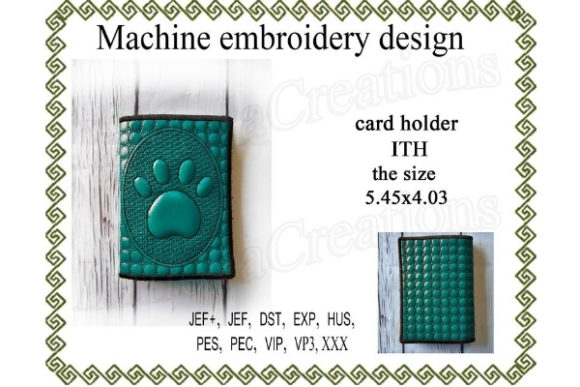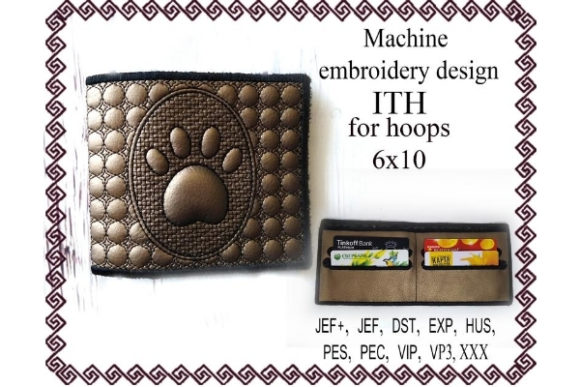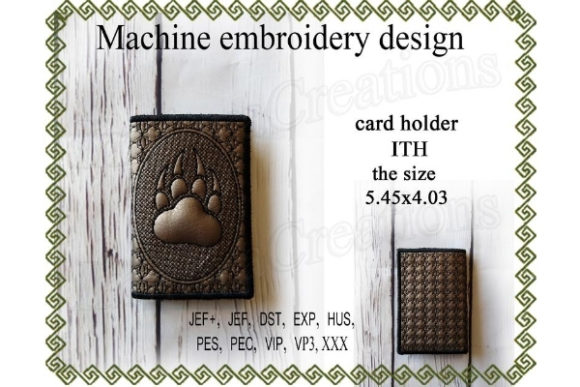
Card Case in the Hoop Paw with Claws Review
As a professional embroidery designer who has spent years evaluating digital assets for commercial production, I approach every new machine embroidery design with a critical eye. The goal is never just to create something pretty; it is to build a functional asset that elevates a brand. Today, I am reviewing the Card Case in the Hoop Paw with Claws. This design promises to be an easy-to-embroider solution ready for your next project, specifically targeting the intersection of utility and branding. For small business owners, Etsy sellers, and apparel decorators, the question is not just if this looks good, but if it holds up under the rigors of commercial use.
First Impressions: Professionalism Meets Playful Character
When I first loaded the digital embroidery file for the Card Case in the Hoop Paw with Claws into my digitizing software, the visual personality was immediately clear. The concept of a paw with claws suggests a design that is bold yet friendly. In the world of brand identity, animal motifs often serve as mascots that humanize a business. Whether you run a pet boutique, a local bakery with a "friendly neighborhood" vibe, or a creative studio, this design strikes a balance between rustic charm and modern appeal.
The description highlights that this is a high-quality embroidery ready for your next sewing project. From a designer's perspective, the "in-the-hoop" aspect is a significant advantage for small businesses. It implies a streamlined workflow where the structure and the decoration are created simultaneously. This reduces the need for complex assembly lines, making it an ideal candidate for low-volume, high-margin items like custom gift sets or limited-run merchandise.
Strategic Applications for Small Business Merchandise
The versatility of the Card Case in the Hoop Paw with Claws extends far beyond a simple accessory. When considering small business merch, we must look at how a design translates across various mediums. Here is how I envision this design performing in real-world scenarios:
- Branded Patches and Labels: While designed as a card case, the motif itself can be adapted or used as a standalone embroidered patch. A paw print with defined claws works exceptionally well as a chest logo accent on staff uniforms or as a sleeve detail on work shirts. It offers a subtle nod to the brand without overwhelming the garment.
- Cap Embroidery: For outdoor brands or service-oriented businesses, cap embroidery is essential. The distinct shape of the claws provides enough visual weight to stand out on a curved surface, provided the scale is managed correctly. This could serve as a unique identifier for delivery drivers or event staff.
- Tote Bag Design: Tote bags are a staple for eco-friendly boutiques and farmers markets. Placing the Card Case in the Hoop Paw with Claws motif on a canvas tote creates a durable, washable promotional item. The texture of the embroidery adds a premium feel that screen printing cannot replicate.
- Apron Embroidery: For bakeries, florists, and craft studios, aprons are the uniform of choice. A paw design on the bib of an apron adds character to the workspace. It signals to customers that the business values craftsmanship and has a distinct personality.
- Product Packaging Accents: Imagine a handmade soap brand or a candle maker using this design on a fabric tag attached to their product. It transforms a standard label into a tactile experience, increasing perceived value.
Evaluating Technical Performance and Limitations
While the potential is high, a responsible designer must also identify where the Card Case in the Hoop Paw with Claws requires careful handling. Not all designs are one-size-fits-all, and understanding the limitations is crucial for maintaining quality control.
Stitch Density and Fabric Texture
Claw details inherently require precision. If the stitch density is too high in these areas, the design may become stiff or difficult to hoist properly. On textured fabrics like heavy denim or thick canvas, dense stitching can sometimes obscure the finer details of the claws. I recommend testing the design on a swatch of your intended material before committing to a full production run. If the fabric is very thick, you may need to adjust the stabilizer usage to ensure the stitches lay flat.
Size Constraints and Cap Fronts
One area where caution is advised is when shrinking the design for small applications. While the title suggests a card case, which is a specific size, adapting the motif for tiny patches or the front of a snapback cap requires scrutiny. Tiny lettering or extremely fine claw tips can get lost if the overall dimensions are reduced too much. Always check the minimum recommended size in the embroidery file specifications. If the design becomes too small, the "claws" might merge into a single blob, losing the intended sharpness.
Thread Colors and Contrast
The success of this design on dark uniforms or black tote bags depends heavily on thread color selection. A light-colored paw on a dark background will pop, but the shadows within the claws need sufficient contrast to remain visible. I always advise creating a printable mockup with different colorways to see how the design reads from a distance. High contrast ensures that the brand remains recognizable even in low-light conditions.
Impact on Brand Identity and Customer Trust
In the competitive landscape of handmade products and local commerce, consistency is key. Using a cohesive set of design assets builds customer trust. The Card Case in the Hoop Paw with Claws, when executed well, contributes to a professional image. It tells the customer that the business pays attention to detail. A poorly stitched logo can make a brand look amateurish, whereas a crisp, well-defined embroidered motif signals quality.
For Etsy sellers and crafters, this design offers a way to differentiate their brand. Instead of generic text logos, a mascot-like element creates an emotional connection. Customers remember the "paw with claws" associated with your shop name. This visual consistency across custom apparel, packaging, and signage reinforces your brand story and increases buyer engagement.
Practical Designer Notes for Production
Before integrating the Card Case in the Hoop Paw with Claws into your commercial lineup, follow these practical steps to ensure a flawless finished product:
- Test in Black and White: Start by embroidering the design in a single neutral color. This allows you to inspect the stitch flow, spacing, and any potential pull-outs without the distraction of multiple colors.
- Verify Hoop Size: Confirm that your machine's hoop can accommodate the design dimensions comfortably. An "in-the-hoop" project relies on the stability of the hoop, so ensure there is enough room for the stabilizer and the final object.
- Select the Right Stabilizer: Depending on the fabric you are using for the card case or the garment, choose a cut-away or tear-away stabilizer that supports the weight of the stitching without distorting the shape.
- Check Licensing: Ensure you have the appropriate commercial license for this digital embroidery file. Even if the design is purchased, verify that it allows for resale on finished goods like patches and apparel.
- Create Client Mockups: If you are offering this as a service to other businesses, show them a realistic photo of the design on the actual product they want. This manages expectations and secures approval before stitching begins.
- Compare with Other Assets: Place the design beside your existing logos and branding elements. Does the style match? Is the font weight similar? Visual harmony is essential for a professional look.
The Card Case in the Hoop Paw with Claws represents a strong opportunity for businesses looking to add a touch of personality to their merchandise. By respecting the technical requirements and leveraging its versatile appeal, you can turn this Sewing and Embroidery project into a powerful tool for brand growth. Whether it ends up on a cap, a tote bag, or a staff apron, the result is a tangible representation of your brand's unique character.