Calories Schmalories: A Designer's Review
As a professional who has spent years navigating the intersection of digital design and physical stitching, I approach every new machine embroidery design with a critical eye. It is not enough for a file to look good on a screen; it must translate seamlessly into thread, stabilizer, and fabric. Today, I am evaluating the Calories Schmalories design, a playful addition to the growing category of Food themed Embroidery. The promise here is an eye-catching aesthetic ready for your next sewing project, but does it hold up under the scrutiny of real-world application?
The First Impression: Mood and Visual Weight
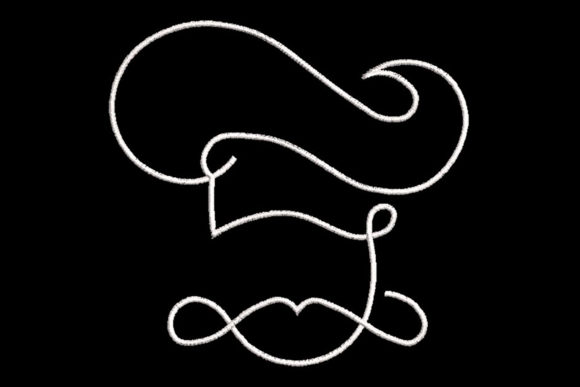
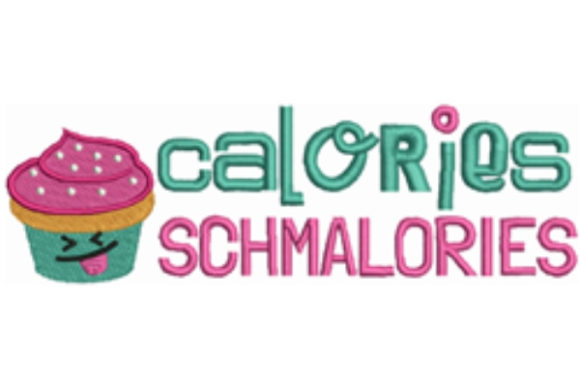
When I first loaded the preview of Calories Schmalories, the immediate reaction was one of lighthearted charm. In the world of custom apparel and boutique branding, humor is a powerful tool. This design leans heavily into that energy. The layout appears balanced, avoiding the common pitfall of being too top-heavy or having disjointed elements. For a handmade product meant to spark joy, this visual personality is crucial.
However, as a designer, I look beyond the surface. I examine how the shapes interact. Does the text flow naturally around the graphic elements? In the case of Calories Schmalories, the composition suggests a cohesive unit that would work well as a central focal point. It feels like a design that belongs on a kitchen towel, a cozy apron, or perhaps a cheeky sweatshirt for a friend who loves their comfort food. The mood is inviting, suggesting that this embroidery file is best suited for casual, fun projects rather than formal wear.
Testing the Waters: Real-World Application
To truly understand the potential of Calories Schmalories, I visualize it in a specific scenario. Imagine you are preparing a batch of custom tote bags for a local craft fair. You want something that stands out on a table full of generic items. Placing this design on a sturdy canvas tote bag creates an instant conversation starter. The phrase itself is catchy, and if the stitch definition is clean, it becomes a memorable personalized gift.
Consider the application on sweatshirt embroidery. Heavy cotton fleece provides a stable base, allowing the threads to sit flat without sinking into the pile. If the design utilizes a mix of fill stitch for the graphics and satin stitch for the lettering, the contrast in texture adds depth. This variation is essential for high-quality commercial embroidery. Customers can feel the difference between a cheap, flat print and a textured, multi-dimensional stitched logo. For an Etsy seller or small shop owner, that tactile quality often justifies a higher price point.
I also see strong potential for this design as an embroidered patch. Patches are versatile assets for any craft business. You can sew them onto denim jackets, backpacks, or even hats. The key here is the outline. If the design includes a strong border, it will pop against the background fabric. Without a clear boundary, the edges might fray or blend into the garment, reducing the perceived value of the finished product.
Navigating Fabric Challenges
While the description claims this lovely embroidery will look great on any fabric, my experience dictates caution. Not all fabrics are created equal. If you attempt to use Calories Schmalories on thin or stretchy material, such as jersey knit, you risk puckering. The tension required for dense stitching can warp lightweight fabrics, ruining the drape of a t-shirt or baby onesie.
Similarly, dark fabrics present a unique challenge. To make the design visible on black or navy garments, you would need to add a layer of backing thread or use a bright color palette. Always check your thread colors against the fabric swatch before committing to a large run. If the contrast is low, the intricate details of the design may get lost, making the custom apparel look muddy rather than vibrant.
Critical Considerations for Designers
Before integrating Calories Schmalories into your workflow, there are several technical factors to consider. First, verify the stitch density. Designs that are too dense can cause thread breakage or excessive bulk, especially on curved surfaces like caps. Conversely, designs that are too sparse may leave gaps in the fabric, revealing the backing material.
Second, pay close attention to the hoop size. While the design might fit within a standard 4x4 hoop, larger variations could require a 5x7 or 6x10 hoop. Ensure your machine setup accommodates the dimensions without needing to re-hoop mid-project, which can lead to registration errors. Misalignment is the enemy of professionalism; a crooked smiley face or skewed text immediately lowers customer trust.
Third, always test on scrap fabric. This non-negotiable step allows you to adjust tension, change stabilizers, and tweak speed settings. Use a proper stabilizer appropriate for your chosen material. Tear-away works for stable wovens, while cut-away is better for knits. Skipping this step is a recipe for wasted time and materials.
Commercial Viability and Brand Consistency
For those running a digital product store or selling physical goods, consistency is key. Calories Schmalories offers a distinct voice that can become part of your brand identity. If your shop specializes in humorous, food-related gifts, this design fits perfectly. It enhances your brand consistency and helps customers recognize your style across different listings.
However, be mindful of licensing. Before selling finished items or offering this as a digital embroidery file for download, confirm the license terms. Some designs are for personal use only, while others allow for commercial production. Violating these terms can jeopardize your business reputation. Always ensure you have the right to sell the finished product derived from the design.
Final Thoughts on Value and Engagement
In conclusion, Calories Schmalories presents a solid opportunity for designers looking to add some fun to their portfolio. Its playful nature makes it ideal for holiday embroidery, personalized gifts, and boutique merchandise. When executed correctly on the right fabric with proper stabilization, it delivers a high-value result that customers will love.
The success of this project lies in the details. From choosing the right fabric texture to ensuring crisp running stitch lines, your attention to detail will determine the final outcome. Whether you are creating a single baby embroidery item or a line of small shop products, this design has the potential to stand out. Just remember to test thoroughly, respect the limitations of your materials, and always prioritize quality over speed. With the right approach, Calories Schmalories can become a staple in your collection of creative assets.